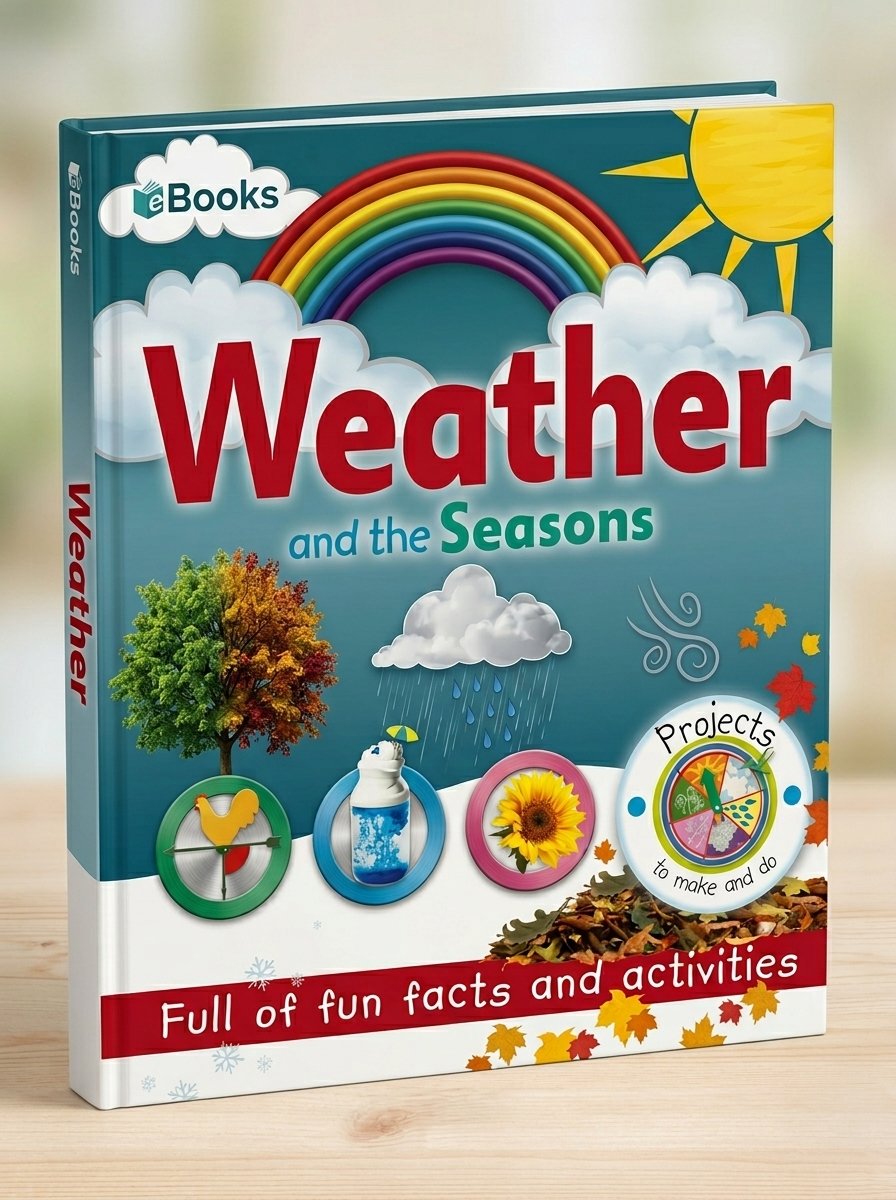
**Description:** Understanding *Weather and the Seasons* is essential for daily planning, agriculture, and climate awareness. This guide explores seasonal patterns, safety tips, and how to adapt to nature’s cycles. From spring showers to winter frost, learn to align your lifestyle with the rhythm of *Weather and the Seasons* for better productivity and well-being.
**How Weather and the Seasons Shape Daily Life**
Every shift in *Weather and the Seasons* influences our routines, mood, and health. Spring brings allergies but also renewal; summer heat demands hydration; autumn winds signal harvest time; winter cold requires insulation. Recognizing these patterns helps optimize energy use, clothing choices, and outdoor activities. For farmers and travelers, anticipating seasonal transitions prevents losses and enhances safety. Even urban planners use *Weather and the Seasons* data to design drainage systems and heating grids. By observing daily temperature, humidity, and daylight changes, you build resilience and reduce weather-related stress.
**Seasonal Safety Tips for Extreme Conditions**
Each season carries unique risks tied to *Weather and the Seasons*. Summer heatwaves can cause heatstroke—stay indoors 10 a.m.–4 p.m. and drink water. Winter blizzards risk hypothermia; layer clothing and keep emergency kits in cars. Spring thunderstorms bring lightning—avoid open fields and metal objects. Autumn fog reduces visibility; use low beams and slow down. Preparing for these extremes prevents accidents. Monitor local forecasts and adjust plans. Whether it’s tornado season or monsoon rains, respecting *Weather and the Seasons* saves lives and property.
**How Animals and Plants Respond to Seasonal Change**
Nature’s calendar is ruled by *Weather and the Seasons*. Birds migrate as autumn cools; bears hibernate before winter snow; flowers bloom when spring rain softens soil. Trees shed leaves to conserve water in fall. These adaptations ensure survival. Gardeners use seasonal cues to plant frost-tolerant crops. Even pests like mosquitoes thrive in humid summer weather. Understanding biological responses to *Weather and the Seasons* helps in pest control, wildlife conservation, and even predicting climate shifts. Watch local species—they are your most accurate seasonal forecasters.
**Economic Impact of Weather and Seasonal Shifts**
Businesses thrive or fail based on *Weather and the Seasons*. Retailers stock coats before winter, air conditioners in spring. Tourism peaks in mild seasons—ski resorts need snow; beaches require sun. Agriculture depends entirely on seasonal rainfall and temperature windows. Delayed monsoons or early frosts destroy crops, raising food prices. Energy sectors adjust fuel supplies for heating or cooling demands. Even insurance companies use seasonal risk models. By analyzing *Weather and the Seasons*, economists reduce losses and plan inventory. Adapting to seasonal patterns is smart business strategy.
**Using Technology to Track Weather and Seasons**
Modern apps and satellites make monitoring *Weather and the Seasons* easy and accurate. Smartphone weather apps provide hourly forecasts, radar images, and seasonal allergy alerts. Wearable gadgets track UV index and heat stress. Farmers use soil moisture sensors linked to seasonal rainfall data. Home automation systems adjust thermostats based on outside temperature. Even gardeners rely on last-frost date calculators. By leveraging technology, you turn *Weather and the Seasons* into actionable intelligence. Set alerts for severe storms, plan vacations during pleasant windows, and reduce energy bills. Stay informed, stay safe, and live in harmony with nature’s calendar.