Book Link is Given Below:
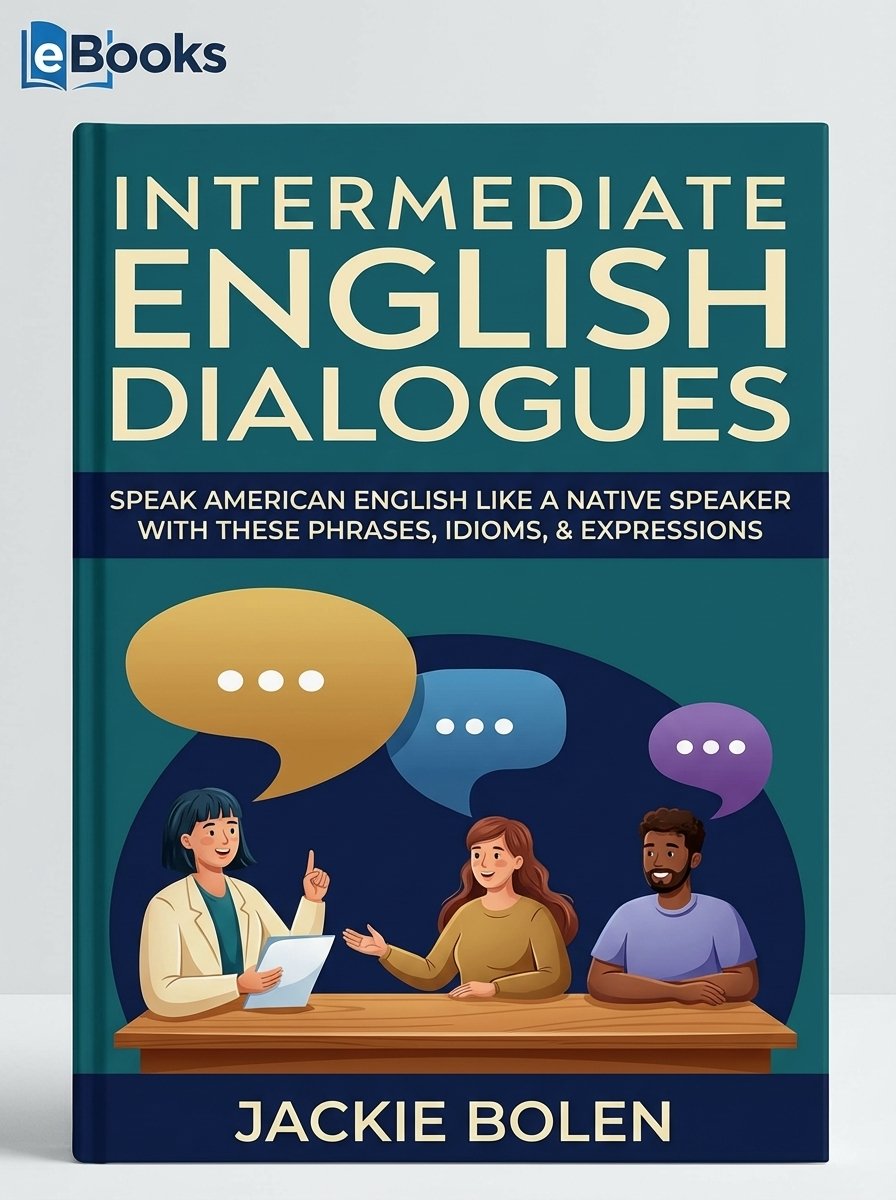
For many English learners, understanding the basics of grammar and vocabulary is just the beginning. The real challenge comes when you want to sound natural and fluent — like a native speaker. This is where mastering Intermediate English Dialogues Speak American English Like a Native Speaker with these Phrases, Idioms, Expressions can truly transform your learning journey.
This method focuses on real-world conversations, authentic expressions, and cultural nuances that help learners communicate confidently in everyday American English.
Why Focus on Intermediate English Dialogues?
Once you move beyond the beginner level, the goal is no longer just to understand English — it’s to use it naturally. That’s why intermediate dialogues are so effective. They expose learners to common sentence patterns, conversational phrases, and idiomatic expressions that native speakers use every day.
For example, a textbook might teach you to say:
“I’m very busy today.”
But an American might say:
“I’m swamped today.”
Both sentences mean the same thing, but the second one sounds more natural. That’s exactly what Intermediate English Dialogues Speak American English Like a Native Speaker with these Phrases, Idioms, Expressions aims to teach — real, everyday English that makes learners sound fluent, not robotic.
The Power of Phrases, Idioms, and Expressions
American English is full of colorful phrases and idioms that give the language its personality. Using them correctly makes your speech sound lively and authentic. Let’s look at why they’re so important:
1. Phrases Build Fluency
Learning entire phrases, rather than single words, helps learners speak faster and more confidently. For example:
- Instead of “thank you,” try “I really appreciate it.”
- Instead of “I don’t know,” say “I have no clue.”
These ready-to-use phrases help learners respond naturally in conversations.
2. Idioms Add Personality
Idioms are expressions whose meanings can’t be understood literally. For instance:
- “Break the ice” means to start a conversation.
- “Hit the books” means to start studying.
When learners include idioms in their speech, they instantly sound more native-like and expressive.
3. Expressions Make You Sound Authentic
Common expressions like “You bet!”, “No worries!”, or “That’s awesome!” are part of everyday American speech. Using them helps learners blend into natural conversations.
That’s why the book Intermediate English Dialogues Speak American English Like a Native Speaker with these Phrases, Idioms, Expressions focuses on these practical language tools — because they bridge the gap between textbook English and real-world fluency.
How Dialogues Help You Learn Naturall
Reading or listening to dialogues is one of the most effective ways to practice English. Unlike grammar exercises, dialogues show how words work together in context.
For example, a simple dialogue might teach you how to:
- Order food at a restaurant
- Start small talk with coworkers
- Express opinions politely
- Respond to invitations or compliments
Through these conversations, learners see not only what to say but also how to say it — tone, rhythm, and cultural context included.
Free resources such as free PDF books websites often include downloadable dialogue books where you can practice reading aloud, role-playing, or listening to sample conversations. This kind of learning helps you internalize natural speech patterns.